
Pay later with Klarna
Price-Match-Guarantee
30 Day Returns
Lifetime-Guarantee

4 C's of Diamonds Guide:

Shopping Tips & More

What Is a Diamond?

Over a billion years ago, deep beneath the Earth’s surface, carbon atoms bonded tightly under high temperatures and extreme pressure, resulting in the world’s hardest natural mineral: diamond.

Hidden for millions of years, diamonds only reached the Earth’s surface after volcanic activity transported them upward in magma. Then, in the 4th Century BC, the first diamonds were found in India.

For centuries, diamonds have symbolized love and eternity. With our diamond rings, we can celebrate that same brilliance in a way that’s ethical, sustainable, and accessible.

Craftmanship & Quality

For over two decades, Everrings has had one mission: to redefine what a diamond can stand for. We believe love should never come at the expense of people or the planet — which is why we set out to revolutionize the industry with a new standard of beauty.

To us, luxury means more than brilliance — it means integrity. Every diamond engagement ring we create is a celebration of timeless love, crafted with transparency and respect for the world we share.

By choosing Everrings, you’re not only marking your forever with a diamond of extraordinary quality, but also embracing a future where jewelry reflects both your values and your love story.

Types of Diamonds

Natural Diamonds

Natural diamonds are formed deep within the Earth, under billions of years of heat and pressure. Composed almost entirely of carbon, they are the hardest natural substance found on Earth and have long been treasured as rare symbols of beauty and endurance. Because of their limited quantity, natural diamonds have historically been passed down through generations as timeless heirlooms.

Lab Diamonds

Lab-grown diamonds are optically, chemically, and physically identical to mined diamonds — the same sparkle, the same brilliance, the same strength. The only difference lies in their origin: instead of forming within the Earth, they are grown by experts using advanced technology.

The 4C's of a Diamond

Cut

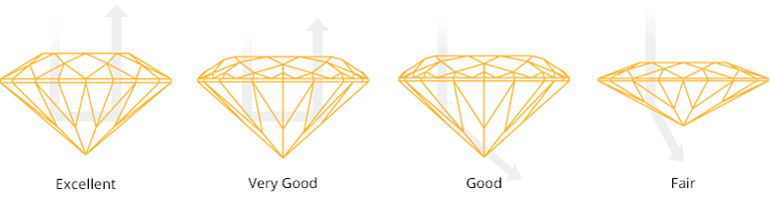
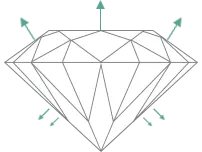
The cut determines how light dances within your diamond — creating brilliance, sparkle, and fire. A perfect cut transforms a stone into a symbol of everlasting love.

Color

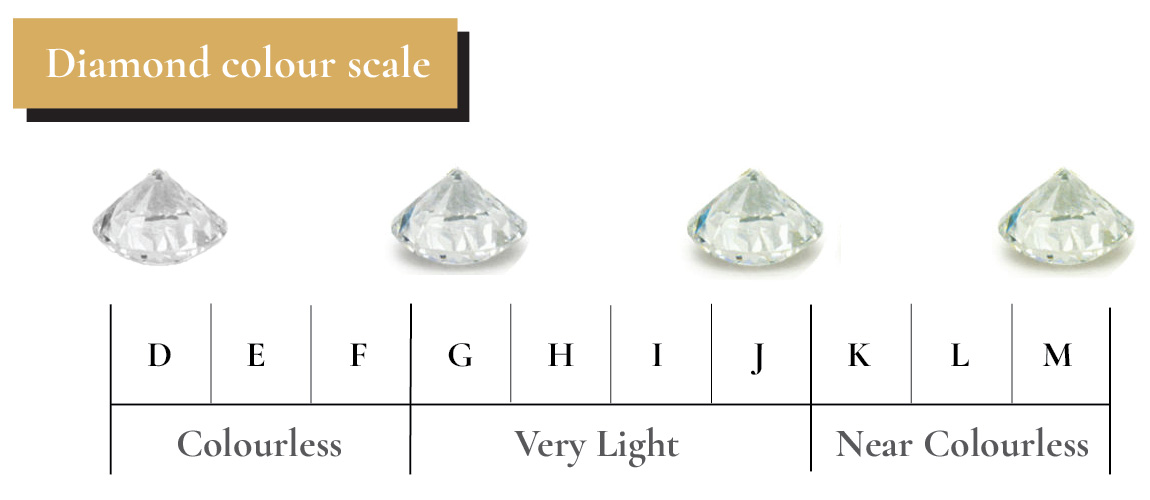
From D (colorless) to Z, diamond color adds personality — whether you prefer the purest white or a warm, romantic hue. All our diamonds are graded to the same trusted standards as mined stones.

Clarity

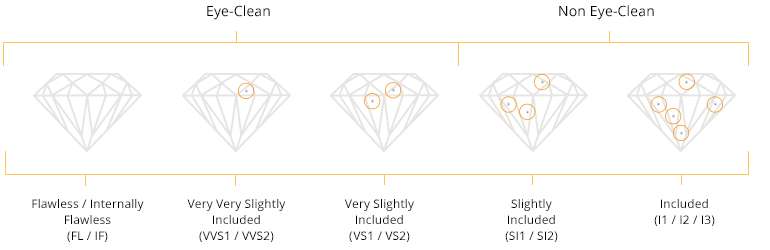
Clarity reflects the purity of your diamond, free from visible inclusions. Our diamonds are carefully selected for brilliance you can see — and integrity you can trust.

Carat

Carat measures weight, not size — one carat equals 0.2 grams. Whether you dream of a delicate sparkle or a bold statement, the right balance of carat, cut, color, and clarity makes your ring truly yours.

Diamond Certification

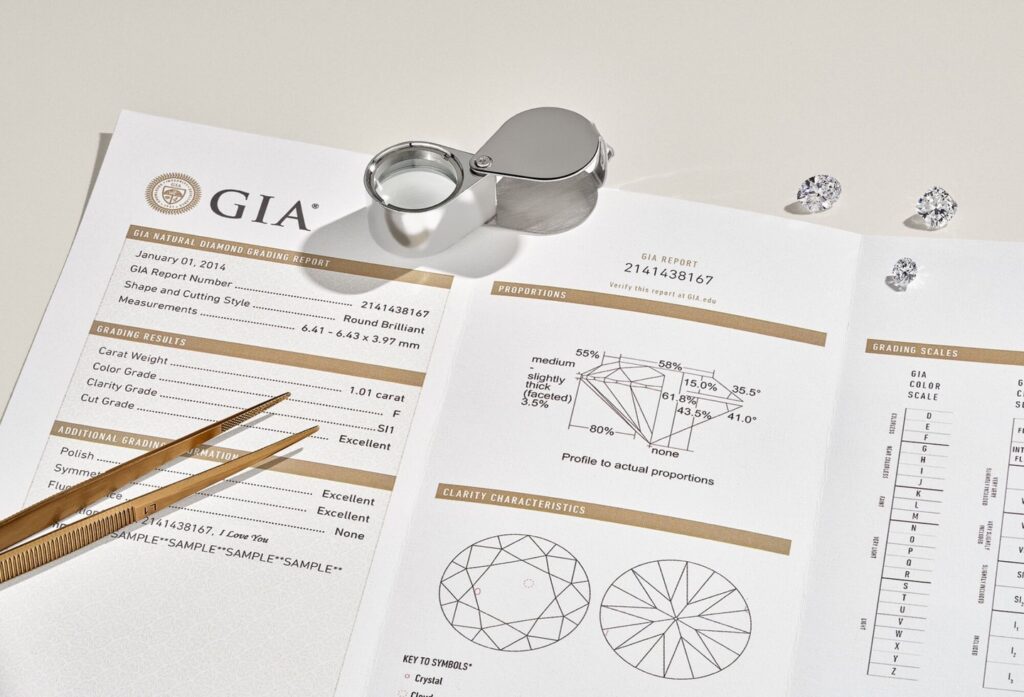
Every diamond ring comes with an independent certification from leading institutions such as the Gemological Institute of America (GIA), the International Gemological Institute (IGI), HRD Antwerp, or the Gem Certification & Assurance Lab (GCAL). These certifications are carried out by trained professionals using specialized equipment to assess the 4 C’s — cut, color, clarity, and carat — along with details like symmetry, polish, fluorescence, and shape.

To ensure authenticity, most certified diamonds are laser-inscribed with a unique identification number that matches the one on the certificate. This means you can always verify that the diamond you hold is the diamond you chose — your forever stone, documented and protected.

We deliver all certifications digitally, reducing unnecessary paper use, packaging, and shipping emissions.

Shape of Diamonds

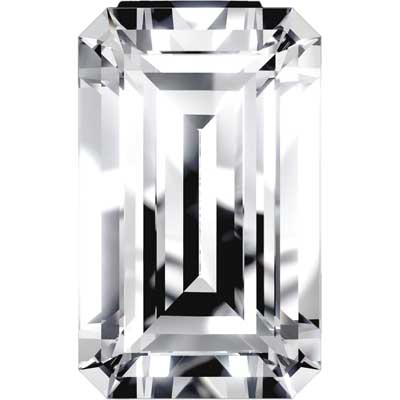
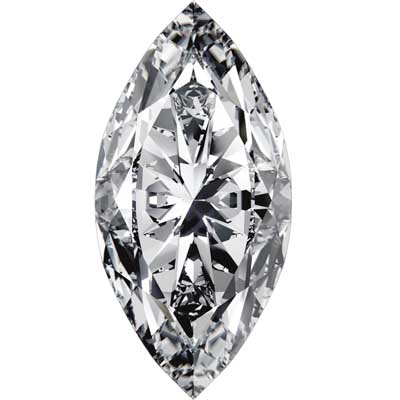
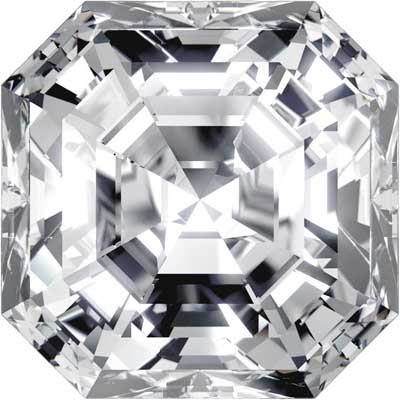
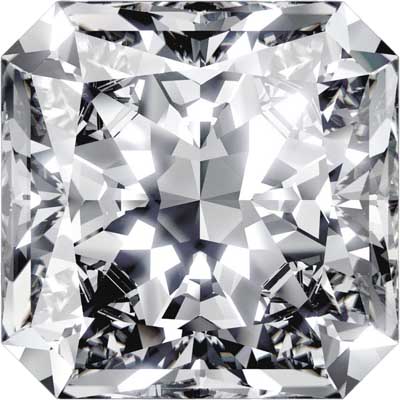
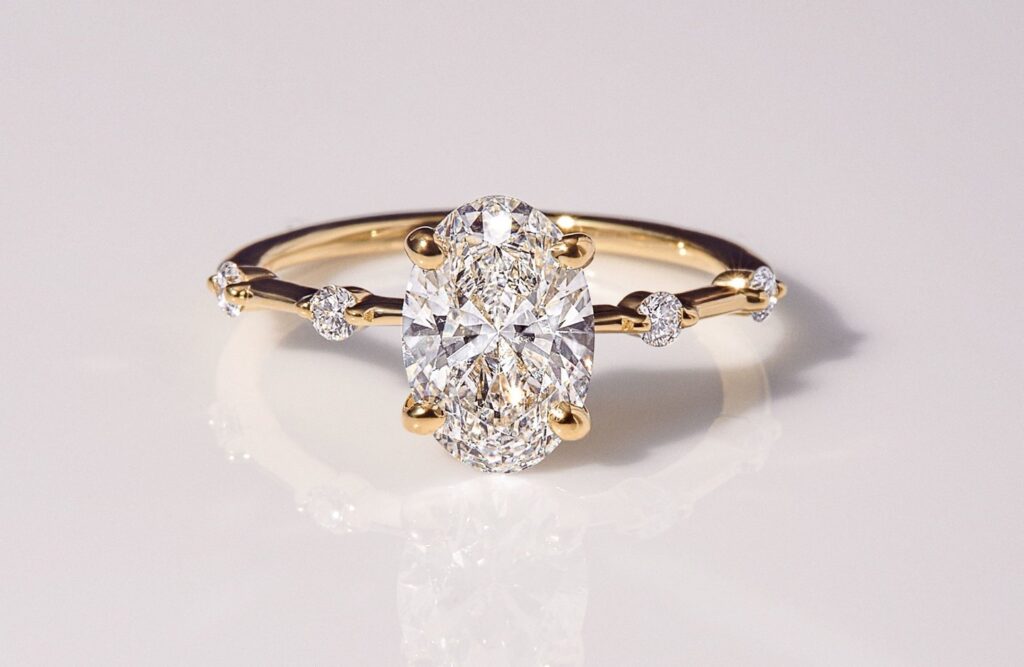
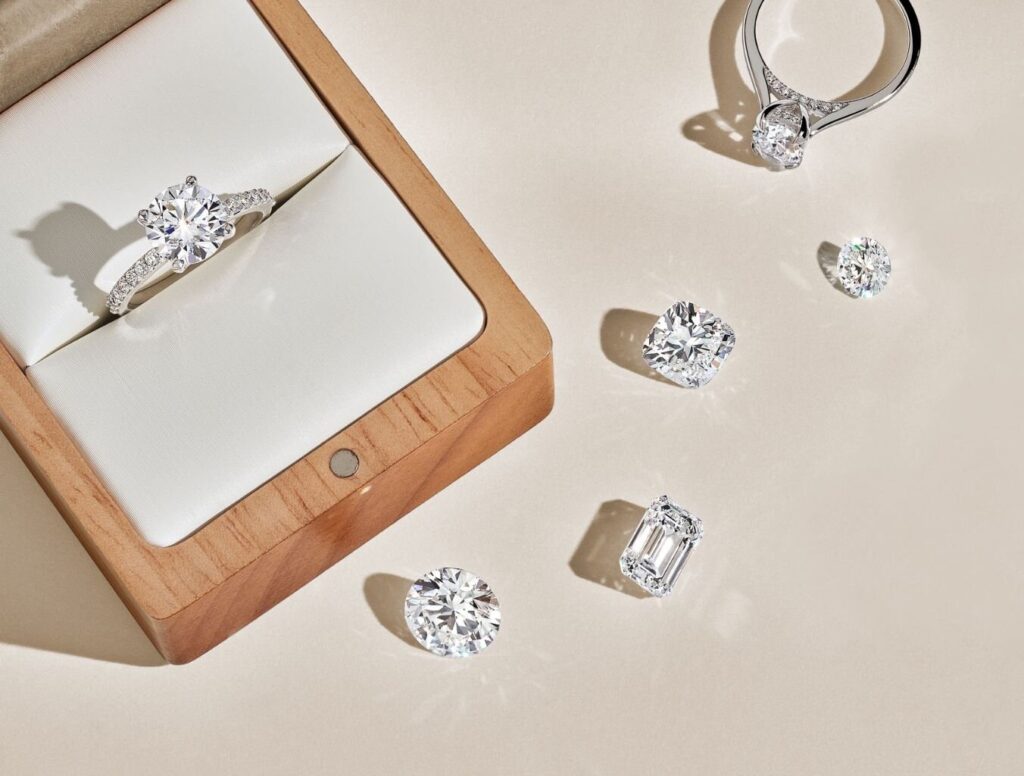
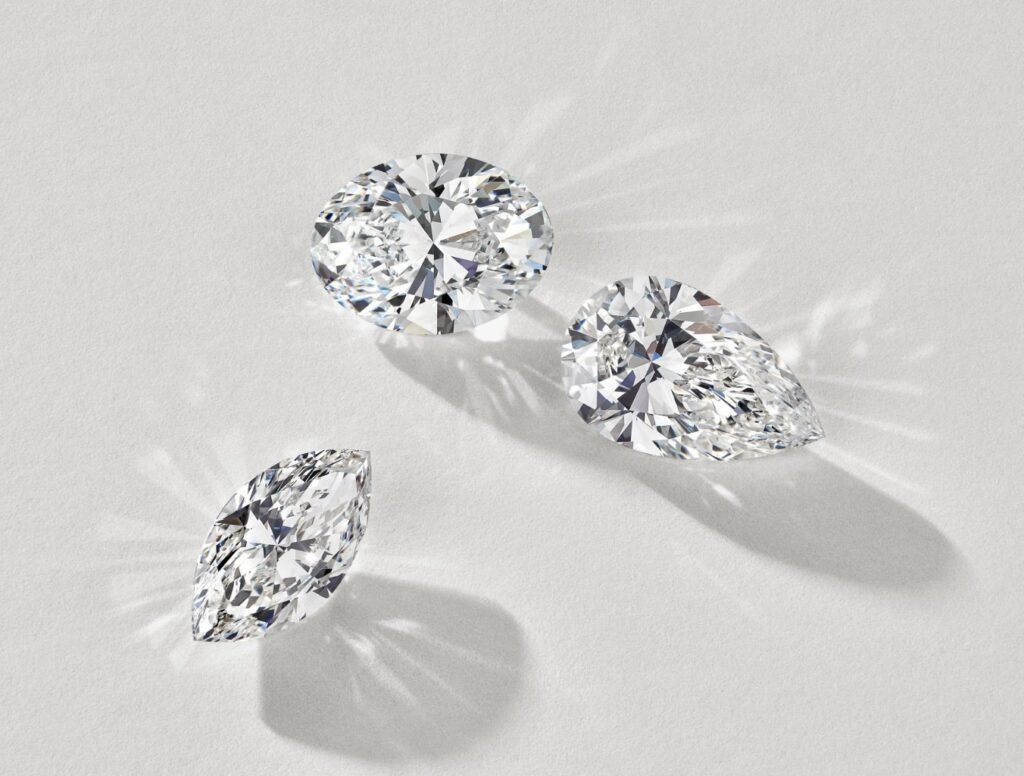
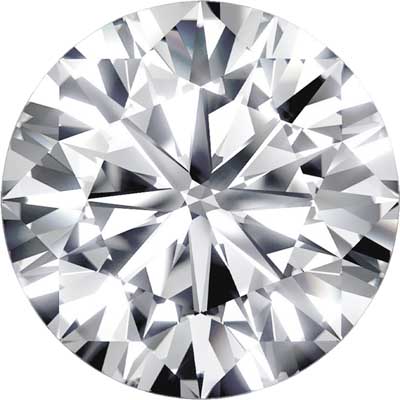
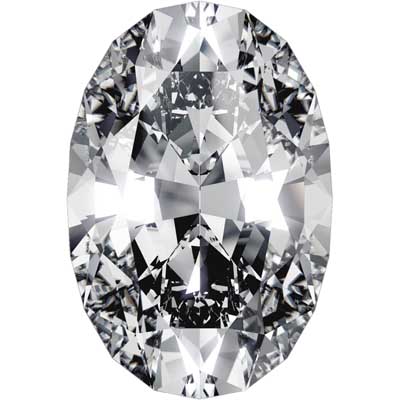
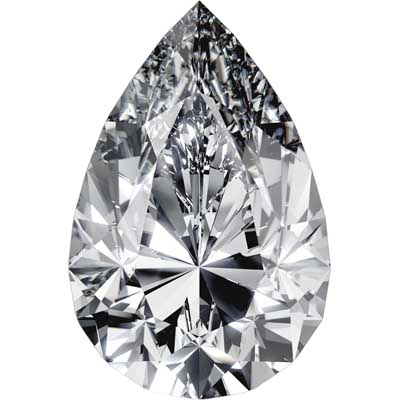
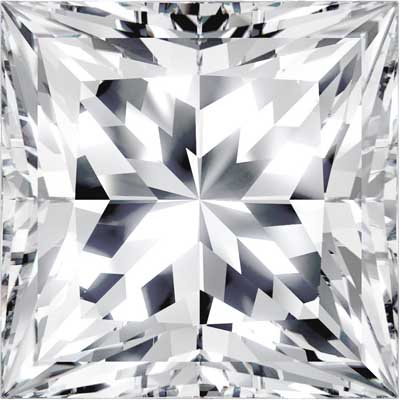
A diamond’s shape refers to its overall outline — distinct from the cut, which describes the arrangement of its facets. The classic round brilliant remains the most popular choice, treasured for its timeless sparkle. Yet many couples fall in love with so-called “fancy shapes” — from elegant oval and vintage-inspired emerald, to romantic cushion or bold marquise.

Choosing your diamond’s shape is deeply personal: it’s where style, symbolism, and love story meet. At Everrings, we offer a curated selection of diamond engagement rings in every shape, so you can find the one that feels uniquely yours.

Find Diamonds by Shape

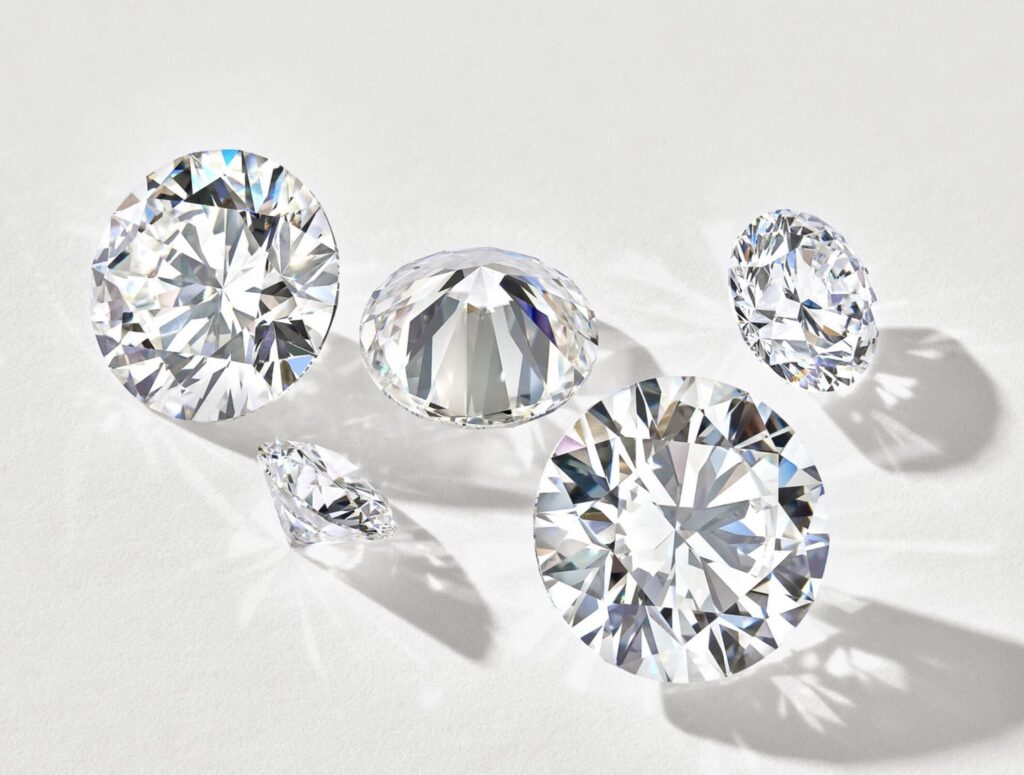
Round Diamond
Round
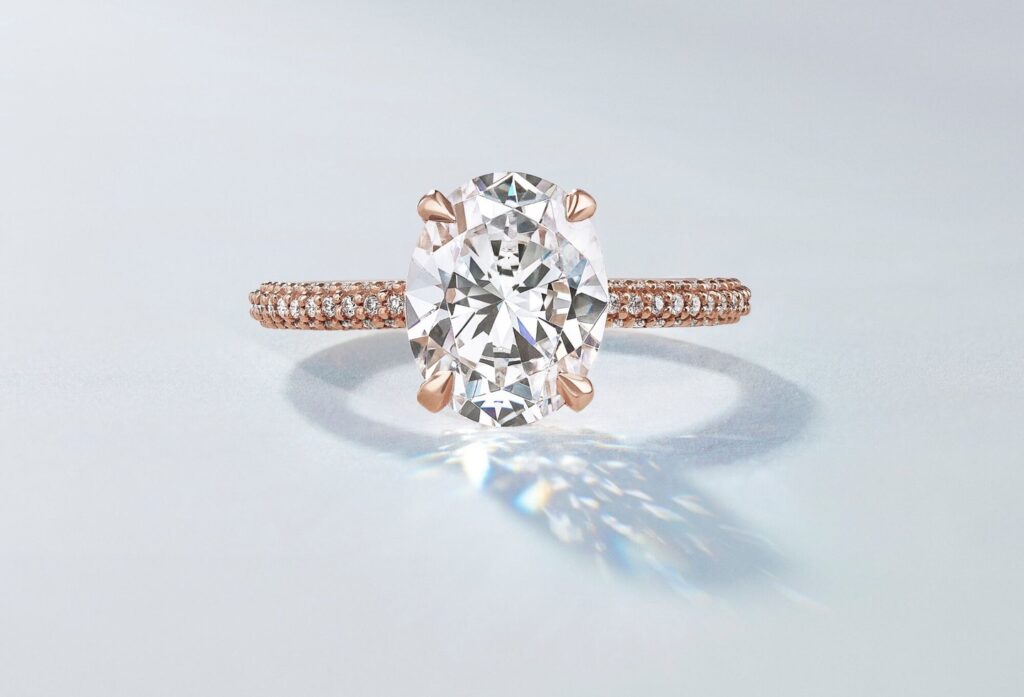
Oval Diamond
Oval
Pear Diamond
Pear
Princess Diamond
Princess
Emerald Diamond
Emerald
Marquise Diamond
Marquise
Asscher Diamond
Asscher
Radiant Diamond
Radiant
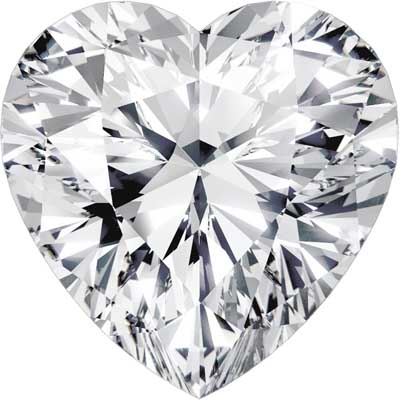
Heart Diamond
Heart
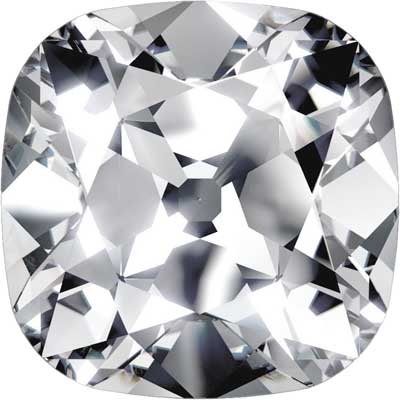
Cushion Diamond
Cushion

Diamond Hardness

Diamonds are the hardest naturally occurring material on Earth, ranking a 10 — the highest level — on the Mohs scale of mineral hardness. This extraordinary strength means a diamond resists scratches and maintains its brilliance for a lifetime. In fact, only a diamond can scratch another diamond.

That durability is why diamonds have become the ultimate symbol of forever — perfect for everyday wear, and especially meaningful as the center stone of an diamond engagement ring designed to last as long as your love.

Diamond Fluorescence

Diamond fluorescence describes how a stone reacts to ultraviolet (UV) light, an element naturally present in daylight. Some diamonds may emit a soft blue or yellow glow under UV light, but this subtle effect is rarely visible in everyday conditions.

Fluorescence has no impact on a diamond’s beauty, durability, or structural integrity. At Everrings, every diamond — is carefully graded and selected to meet the highest standards of brilliance, so you can wear your ring with complete confidence.

Diamond Grading Scale

Diamonds are graded according to the 4 C’s — cut, color, clarity, and carat — a universal standard established by the Gemological Institute of America (GIA). These criteria ensure every diamond is evaluated with precision and transparency, so you can understand exactly what makes your stone unique – giving you complete confidence in both the beauty and the integrity of your engagement ring.

0
Your Cart is empty!

It looks like you haven't added any items to your cart yet.

Browse Products
symbol-1-1.svg
Cut

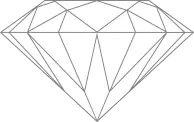
The cut refers to the angles and proportions of a diamond. The cut of a diamond—its depth and width, and the uniformity of the facets—determines its beauty. The skill with which a diamond is cut determines how well it reflects and refracts light.

symbol-1-1.svg
Color
Color is the natural color visible in a diamond and does not change over time. Colorless diamonds allow more light to pass through than a colored diamond, releasing more sparkle and fire.
symbol-1-1.svg
Clarity
A diamond’s clarity refers to the presence of impurities on and within the stone. When a rough stone is extracted from carbon deep beneath the earth, tiny traces of natural elements are almost always trapped inside. These elements are called flaws or inclusions because they are formed naturally and are unique to each stone.
symbol-1-1.svg
Carat

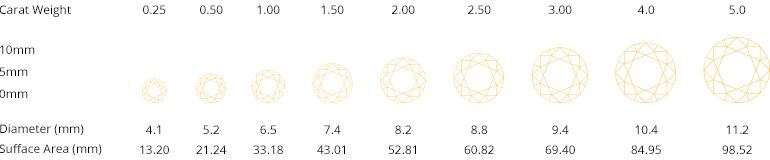
A carat is the unit used to measure a diamond’s weight. One carat equals 200 milligrams or 0.2 grams. Although carat weight and the size of a diamond are related, the carat does not directly measure diamond size.

cropped-favicon.png
You’ve Unlocked Your $100 Reward

Thank you for joining us! Use your exclusive code below to save on your next order. Here’s to brilliant deals and even brighter style.

How we offer the best price:
Traditional Value Chain:
How We Do It:
Everrings
Jewellery Wholesaler
Designed
Crafted
symbol-1-1.svg
Track Your Order
Everrings Logo

Track Orders

Your request has been sent.